

Professional Dryer Duct Cleaning in Denver, CO
- Fast dryer duct cleaning services
- Mobile service in Denver metro
- Free estimates
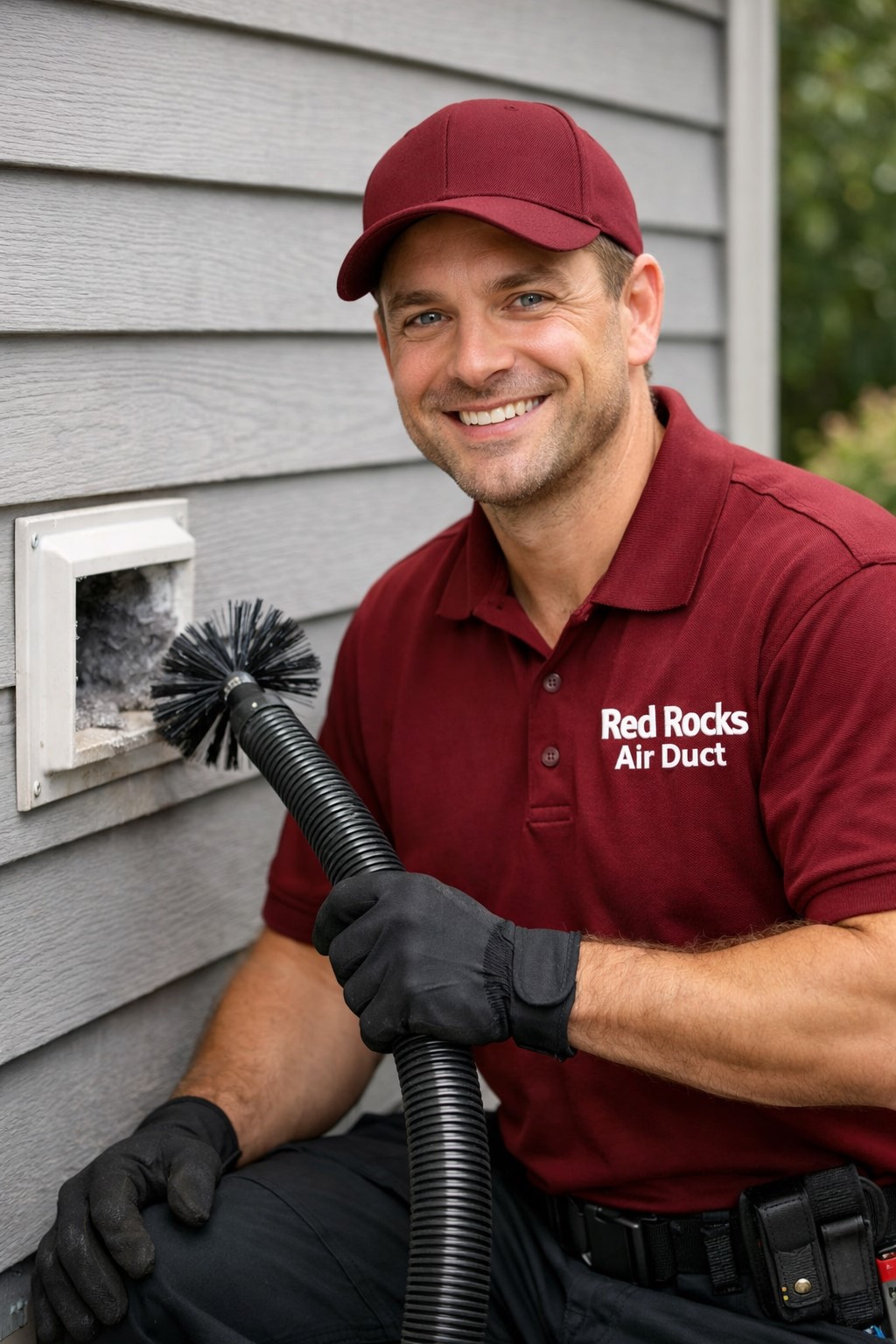

Why is dryer duct cleaning necessary?
If your dryer is taking forever to dry, running hotter than it should, or leaving clothes damp even after a full cycle, the vent line is usually the culprit. Professional dryer duct cleaning restores that airflow so your dryer can do its job the way it was designed to, without forcing the machine to work overtime on every load. Call now to get a free estimate!

Allergens
A vent hood helps push warm, moist air and lint safely outside, but over time that same spot can trap debris and stay damp. When lint mixes with moisture and outdoor dust, it can create buildup that restricts airflow and may even encourage mold or mildew. Cleaning the dryer vent hood keeps the duct breathing properly and helps your dryer run efficiently.

Fire
Lint and fine debris from regular laundry slowly coat the inside of a dryer duct and the exterior vent hood. As that buildup thickens, airflow drops, heat stays trapped in the line, and the dryer has to run longer and hotter to finish a load. Keeping the dryer vent path clear helps prevent overheating, reduces wear on the appliance, and lowers the risk of a lint-related fire.

Pests
You want to keep pests out of your home, and the dryer vent hood is an easy place for insects and small critters to sneak in. When lint builds up, it can create a sheltered spot that attracts them. Cleaning the dryer vent hood and making sure it seals and opens properly helps keep the line clear and discourages unwanted visitors from settling near your duct.
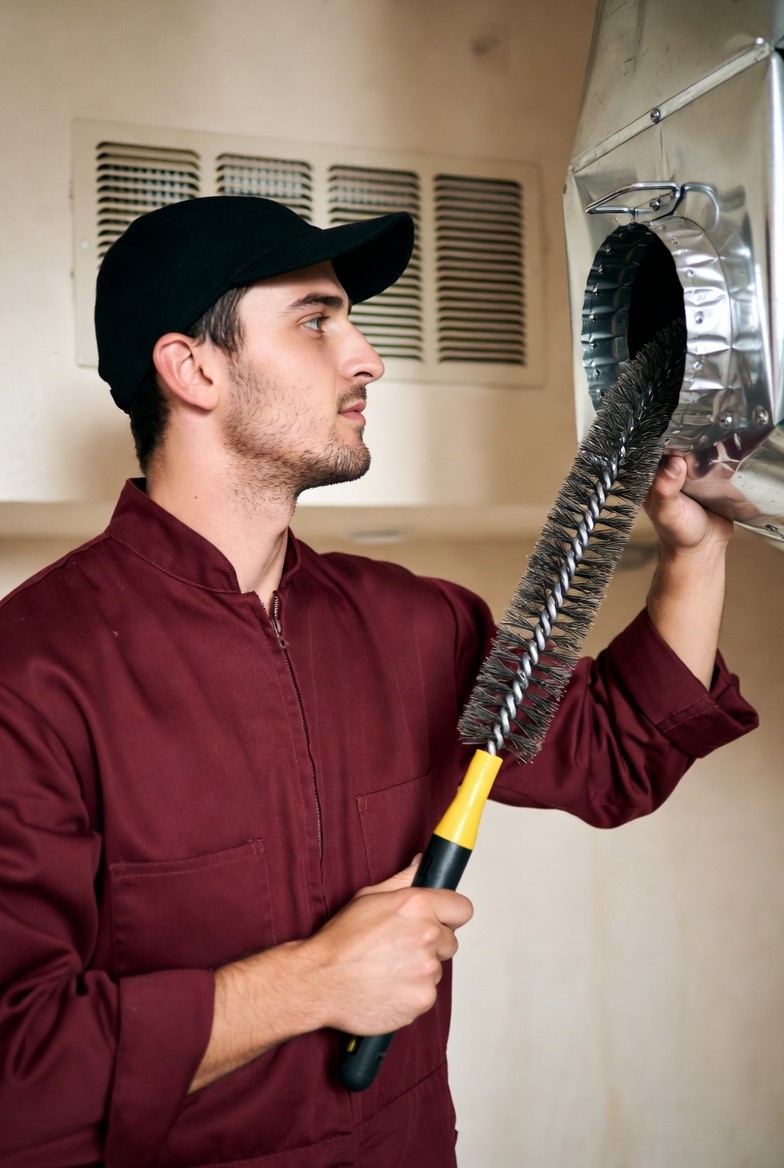
What you get from a proper dryer duct cleaning?
A quality service is not just a quick vacuum at the lint trap. It’s a full airflow-focused cleaning from the dryer connection to the exterior termination point. That means removing lint where it actually accumulates, not only where it’s easy to reach, and making sure the system can exhaust air freely outdoors.
You can expect benefits like:
- Faster drying and fewer repeat cycles, so laundry days take less time
- Lower strain on the dryer and fewer “mystery” shutdowns caused by overheating sensors
- Less heat buildup and that scorched, dusty smell that can show up when lint gets warm
- A cleaner laundry area with less lint escaping into the room, especially behind the dryer
If you have pets, large households, or you run towels and bedding often, you’ll feel the difference quickly. Many customers notice that the dryer sounds steadier and the laundry room feels less humid. Also, clothing comes out more evenly dried instead of hot in some spots and damp in others.
The Common Denver-specific problems we see, and how we fix them
Different parts of Denver tend to have different vent setups, and that affects how clogs form. The layout of the home, the age of the build, and the vent routing choices all play a role in duct maintenance. Even small details like the exterior hood design can change how quickly lint and debris build up.
In Central Park and Green Valley Ranch, newer builds often have longer duct routes that pass through tight framing. That extra distance makes lint more likely to settle, and some systems have multiple bends that reduce airflow from day one. In Capitol Hill and Park Hill, older homes can have vent lines that were patched, partially crushed, or routed in ways that trap debris.
In Highlands and LoDo loft-style spaces, vents can be harder to access, so problems get ignored until drying times are extreme. In areas close to heavy traffic or ongoing development, outdoor dust can also stick to the vent hood and combine with lint, creating a tougher clog at the exit point.
Solutions typically include:
- Clearing compacted lint plugs and restoring full airflow through the entire run
- Checking for crushed or disconnected sections behind the dryer, a common issue after appliance moves
- Cleaning the exterior vent hood and confirming it opens freely and isn’t blocked by screens or debris
- Flagging unsafe materials or routing issues so you can correct them and prevent recurring problems
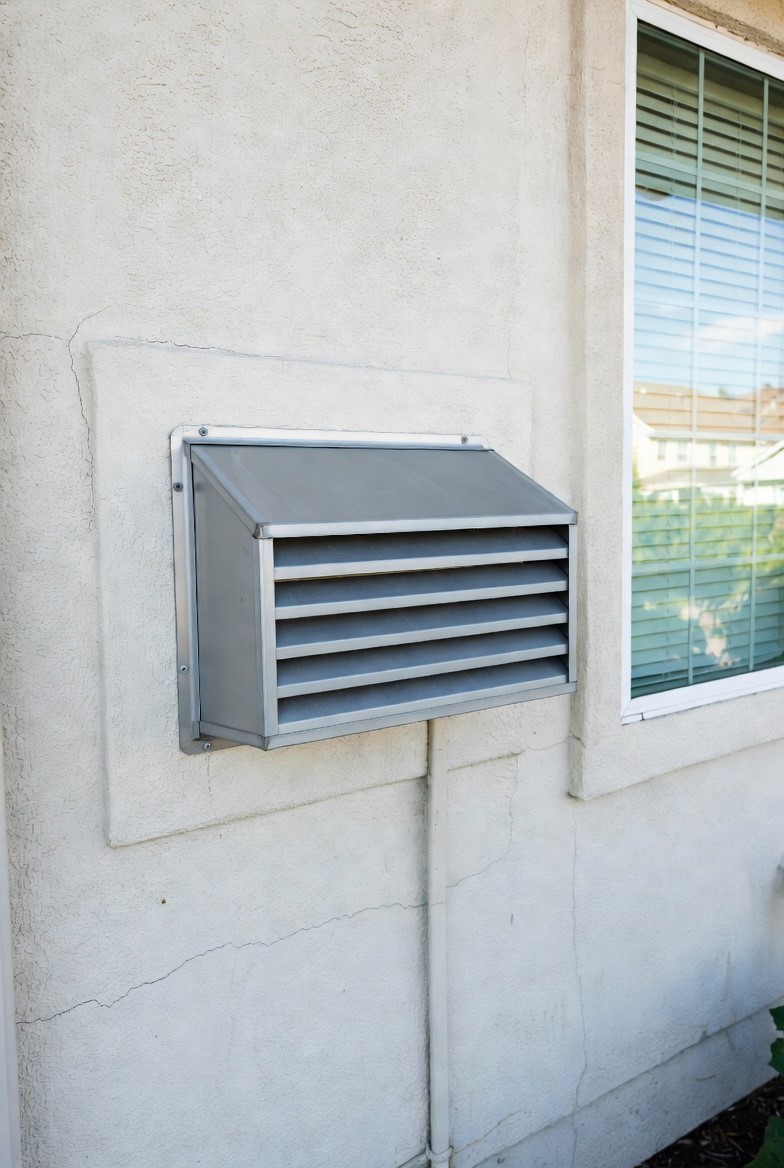

Kitchen hood cleaning process:
STEP 1
Look for any hood issues
STEP 2
Clear grease and grime from inside
STEP 3
Scrub spots where buildup has occurred
STEP 4
Polish the outside of the hood

Our cleaning process
We keep it straightforward and tidy, with a focus on measurable results. Our goal is to make sure the vent line is actually moving air properly, not just “looking cleaner” at the first connection point. We also protect floors and work carefully in tight laundry rooms where access is limited.
- Quick inspection and airflow check
We look at the vent path, the exterior termination, and any obvious restrictions. If access allows, we also check how the dryer is connected, since loose or kinked connections can cut airflow dramatically. - Full line cleaning
We remove lint and debris through the entire run, not just the first few feet. This includes the sections that usually hold the most buildup: bends, vertical stretches, and the last portion before the exterior hood. - Final verification
We confirm improved airflow and make sure the outside vent is functioning properly. We’ll also point out any concerns that could cause repeated clogging, like excessive vent length or a hood that doesn’t open smoothly.
If we see a problem that is outside of cleaning, like a damaged connection or an improper vent material, we’ll explain it clearly and show you what we found. You’ll get practical next steps, not pressure or vague warnings.
Schedule your dryer cleaning
If your dryer is running longer, hotter, or just not drying like it used to, schedule dryer cleaning before it turns into a bigger headache. With our dryer cleaning services you’ll get better performance, a safer setup, and peace of mind that the vent line is actually clear. In many homes or commercial properties, this is one of those services you notice immediately, because laundry routines become easier and more predictable.
When you book, it helps to know whether your laundry room is on an exterior wall or in the middle of the home. Also, whether the vent exits on the side of the house, the roof, or a shared building termination. If you’re not sure, that’s fine. We’ll help you figure it out and make the service as smooth as possible.
Hotels with several dryers need a plan based on their equipment and exhaust layout. Read our hotel laundry duct cleaning planning guide for the details to collect before requesting a commercial estimate.
They Trust Us


Frequently Asked Questions
How long does dryer vent cleaning take?
Most appointments are about 45 to 90 minutes, depending on vent length, access, and how compacted the buildup is. Longer or more complex routes can take more time, especially if the exterior termination is high or difficult to reach safely.
Will it make a mess?
A professional setup should keep lint contained. The goal is a cleaner laundry area when we leave than when we arrived. We use controlled methods to capture lint, and we take care when moving the dryer so floors and walls are protected.
Do I need this if I clean the lint trap every load?
Yes. The lint trap catches only a portion. Fine lint still gets into the duct and accumulates over time, particularly in bends and longer runs. Even a well-maintained lint trap can’t prevent buildup in the line behind the dryer.
Can you clean vents in Denver’s condos and townhomes?
Usually, yes. Access varies by building layout, so the approach may differ, but the airflow principles are the same. In some multi-unit buildings, the exterior termination point may be shared or located in a common area, and we’ll plan the service accordingly.