Free Estimate 720 856 7063 Phone Number

Residential Air Duct Cleaning in Denver Colorado

Residential Air Duct Cleaning in Denver, CO

  • Improved Indoor Air Quality
  • Reduced Energy Bills
  • Extended Lifespan of HVAC Systems

Or request a callback


Why Denver Homes Need Residential Air Duct Cleaning

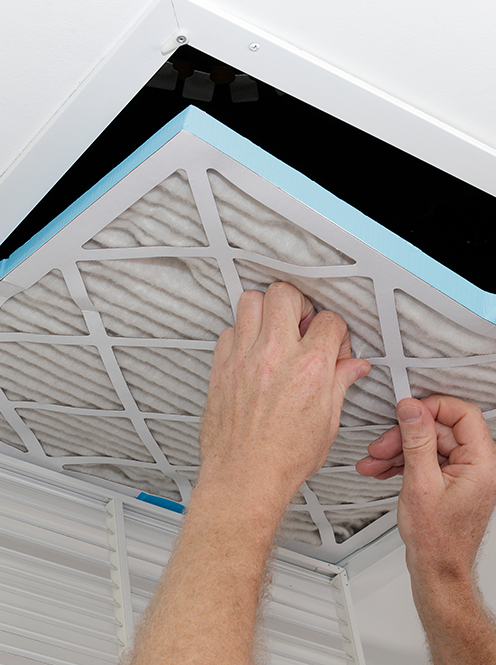
Denver’s high desert climate creates specific indoor air quality challenges that homeowners in more temperate cities don’t face. At 5,280 feet with low average humidity, the air carries more fine particulate year-round than lower-altitude environments. Add the region’s periodic wildfire smoke events — a regular summer occurrence on Colorado’s Front Range — and the typical Denver HVAC system circulates a mix of natural dust, pollen, smoke residue, pet dander, and general household debris through the duct system on every heating and cooling cycle.

Over time, that accumulation builds up inside the duct runs, registers, and return air pathways. The system that’s supposed to deliver clean, conditioned air to every room in your home starts recirculating what’s collected in the ducts instead. Regular air duct cleaning removes that buildup and restores the system to doing what it was designed to do.

Red Rocks Air Duct provides residential air duct cleaning across Denver and the surrounding metro, completing most jobs in a single day. No multi-day disruption, no return visits — just clean, properly functioning ductwork by the time the team leaves.

Or request a callback

Residential air duct cleaning Denver Colorado
Residential Air Duct Cleaning Denver
Residential Duct Cleaning Denver


Why Clean Your Home’s Air Ducts

Allergens in air ducts Denver

Allergens

Denver’s dry climate keeps fine particulate airborne longer than in humid environments. Dust mites, pollen from Colorado’s seasonal grasses and trees, and pet dander settle into duct runs and get recirculated every time the HVAC system runs. For allergy and asthma sufferers, regular duct cleaning measurably reduces the allergen load circulating through the home — particularly important during spring pollen season and fall ragweed months on the Front Range.

Fire hazard air ducts Denver

Fire Hazard

Lint and combustible debris in dryer vents connected to HVAC duct systems create a real fire hazard. The U.S. Fire Administration reports that dryer-related fires are among the leading causes of residential structure fires, with “failure to clean” as the top contributing factor. Residential duct cleaning that includes dryer vent service addresses this risk directly. Dirty air ducts can also impair airflow around HVAC components that generate heat, increasing risk of overheating.

Pests in air ducts Denver

Pests and Contaminants

Ductwork creates dark, enclosed pathways that rodents and insects find attractive for nesting. Evidence of pest activity inside ducts — droppings, nesting material, or entry points — means the HVAC system is actively distributing contamination throughout every room in the home. Professional duct cleaning addresses the existing contamination; pest control handles the entry points. Mold growth in duct systems — more common in homes with moisture issues — requires professional cleaning with appropriate sanitizing treatment.


Signs Your Denver Home’s Air Ducts Need Cleaning

Most Denver homeowners don’t think about their ductwork until something goes wrong. These are the most common signals that it’s time to schedule a residential air duct cleaning appointment:

  • Visible dust buildup around registers and vent grilles — if you can see dust accumulation on the grilles, what’s inside the duct run is typically far more significant
  • Increased allergy symptoms inside the home — particularly if symptoms seem worse indoors than out, or worsen when the HVAC system runs
  • Musty or stale odors when heating or cooling runs — often indicates mold, mildew, or biological contamination in the duct system that cleaning and sanitizing can address
  • Uneven heating or cooling across rooms — when some rooms are noticeably harder to heat or cool than others, blocked or heavily contaminated ducts may be restricting airflow to those zones
  • Recent renovation or construction work — drywall dust, sawdust, and construction debris enter duct systems during home improvement projects and should be removed before the system is run normally
  • It’s been more than 5 years since the last cleaning — regardless of whether any of the above symptoms are present, the 3-to-5 year recommended interval applies to most Denver homes
  • Moving into a property without cleaning history — when you don’t know when or whether the ducts were last cleaned, a fresh cleaning establishes a known baseline for the system’s condition
Signs you need air duct cleaning Denver Colorado


Improve indoor air quality Denver home

Improve Indoor Air Quality in Your Denver Home

Indoor air quality matters more than most Denver homeowners realize. The EPA has found that indoor air can be two to five times more polluted than outdoor air — a counterintuitive finding given how much attention goes to outdoor air quality versus what’s circulating inside your own walls. For Denver specifically, the indoor air quality picture includes the same fine particulate that makes outdoor air quality a concern during wildfire season, plus the accumulated contaminants from years of HVAC operation in a high-dust climate.

Professional residential duct cleaning removes the built-up contaminants from the full duct run — not just the visible surfaces near registers, but the interior duct walls, plenum chambers, and return air pathways where most of the accumulation actually occurs. The result is air that’s being conditioned and distributed through a clean system rather than being filtered through accumulated debris every time the blower runs.

The U.S. Environmental Protection Agency’s guidance on air duct cleaning notes that while duct cleaning isn’t necessary for all homes in all situations, it is specifically recommended when there’s evidence of substantial mold growth, vermin infestation, or excessive debris contamination — all situations that Red Rocks Air Duct addresses through our residential cleaning service.


Air Duct Cleaning Reduces Your Denver Home’s Energy Bills

Denver experiences significant heating and cooling demands throughout the year — cold winters that require sustained furnace operation and increasingly hot summers that stress cooling systems, particularly in years with extended heat events. Both heating and cooling efficiency depend on the HVAC system being able to circulate air freely through a clean duct system.

When ductwork becomes clogged with debris, it restricts airflow through the system. The HVAC unit runs longer cycles trying to reach the thermostat setpoint, burns more energy in the process, and puts additional stress on motors and components that were designed to operate with adequate airflow. Clean ducts allow the system to reach setpoint more quickly, run shorter cycles, and operate within its design parameters — all of which translate to lower energy consumption and reduced wear on expensive components.

The energy savings from a single duct cleaning depend on how contaminated the system was before cleaning. Homes with severe buildup see more dramatic improvement than those on regular cleaning schedules. But the cumulative benefit of clean, free-flowing ductwork over multiple years — reduced energy costs, extended HVAC lifespan, fewer repair calls — adds up regardless of where the starting point was.

Air duct cleaning reduces energy bills Denver


Our Residential Air Duct Cleaning Process

Red Rocks Air Duct completes most Denver residential cleanings in a single day using the following four-step process:

Step 1: Inspection and Assessment

Before any cleaning begins, the technician inspects the duct system to assess the level and type of contamination, identify any problem areas such as mold, moisture damage, or pest evidence, and confirm the appropriate cleaning method for your duct material. This step determines the scope of work and ensures the correct equipment and approach are used for your specific system.

Step 2: Debris and Contaminant Removal

Using high-powered negative pressure equipment, the technician dislodges accumulated debris from the duct walls and captures it in a contained collection system rather than allowing it to circulate through your home. All supply and return ducts, registers, and grilles are addressed in this step. The negative pressure approach is critical — it ensures that loosened debris is captured rather than redistributed.

Step 3: Cleaning and Sanitizing

After debris removal, the duct surfaces are cleaned and, where appropriate or requested, treated with antimicrobial sanitizing solution. Sanitizing is particularly recommended when mold, mildew, or biological contamination was identified during inspection, or for households with allergy sufferers, young children, or immunocompromised occupants. The sanitizing treatment eliminates bacteria and fungi that physical cleaning alone may leave behind.

Step 4: Final Inspection and Testing

The cleaning is verified with a final inspection of the duct system to confirm that the work is complete and the system is functioning properly. Airflow is checked at registers to confirm that the cleaning has restored normal distribution. Any concerns identified during the process are communicated before the technician leaves, and follow-up recommendations — such as HVAC filter replacement or dryer vent service — are provided at this stage.

Air duct cleaning process Denver Colorado


Denver Neighborhoods and Communities We Serve

Red Rocks Air Duct provides residential air duct cleaning throughout Denver and the surrounding metro area. Our service area covers all Denver city neighborhoods including Capitol Hill, Baker, Washington Park, the Highlands, Cherry Creek, Five Points, Park Hill, RiNo, LoDo, and Green Valley Ranch, along with surrounding communities:

  • Aurora and east metro
  • Boulder and surrounding communities
  • Centennial and Highlands Ranch
  • Lakewood and Wheat Ridge
  • Arvada and Westminster
  • Littleton and Englewood
  • Thornton and Northglenn
  • Castle Rock and Parker


They Trust Us

University of Colorado trust badge
Home Advisor trust badge
Thumbtack trust badge
Google 5-star trust badge


Request a Free Estimate

We will call you back within 20 minutes

Request a callback Red Rocks Air Duct Denver


Frequently Asked Questions: Residential Air Duct Cleaning in Denver

How often should Denver homeowners clean their air ducts?

Every 3 to 5 years is the standard recommendation for most Denver homes, with 3 years being more appropriate for households with pets, allergy sufferers, young children, or recent renovation work. Denver’s dry climate and wildfire smoke seasons can accelerate contamination buildup, pushing some homes toward the shorter end of that range. If you’ve recently moved into a home and don’t have cleaning records, scheduling a cleaning establishes a known starting point regardless of the timeline.

Can residential duct cleaning actually reduce my energy bills in Denver?

Yes, when there’s genuine contamination restricting airflow. Denver homes put significant demand on HVAC systems through cold winters and increasingly hot summers. A duct system clogged with debris forces the HVAC unit to run longer cycles and consume more energy reaching the thermostat setpoint. Cleaning restores normal airflow, reduces cycle duration, and cuts energy consumption. The improvement is most significant for systems that haven’t been cleaned in many years — regular cleaning maintains the efficiency baseline rather than recovering from substantial losses.

Can air duct cleaning reduce allergy symptoms in my home?

Yes. Duct systems accumulate dust mites, pollen, pet dander, mold spores, and other allergens that get recirculated through the home every time the HVAC runs. Removing that accumulated allergen load from the duct system measurably reduces what’s being distributed to each room. For households with allergy or asthma sufferers, pairing duct cleaning with sanitizing treatment and a quality HVAC filter provides the most comprehensive improvement to the indoor allergen environment.

Can air duct cleaning prevent mold growth in my Denver home?

Cleaning removes existing mold from duct surfaces and sanitizing treatment eliminates spores. Cleaning alone doesn’t prevent future mold growth if the underlying conditions — moisture in the duct system, high humidity at the HVAC unit, or condensation in duct runs — aren’t addressed. The technician notes any moisture-related findings during inspection and recommends appropriate follow-up. Mold discovered in ductwork during inspection is addressed as part of the cleaning service with appropriate sanitizing treatment.

What does the EPA say about residential air duct cleaning?

The U.S. Environmental Protection Agency’s guidance on air duct cleaning notes that while routine cleaning isn’t necessary for all homes, it is specifically recommended when there is evidence of substantial mold growth, vermin infestation, or excessive debris that’s being discharged into the living space from supply registers. These are exactly the situations that Red Rocks Air Duct addresses. The EPA also recommends using duct cleaning as an opportunity to inspect the overall system condition, which is part of every Red Rocks residential service call.

How long does residential air duct cleaning take in Denver?

Most Denver residential air duct cleanings are completed in a single day. A standard single-family home with one or two HVAC zones and 15 to 25 vents typically takes 3 to 5 hours. Larger homes, homes with multiple HVAC systems, or properties with heavy contamination requiring additional treatment may take longer. Red Rocks Air Duct provides an estimated timeframe when scheduling and gives you a clear picture of what to expect before the team arrives. Contact us at (720) 856-7063 to get a free estimate and schedule your cleaning.

Contact Us