
Grease, Smoke, or Failing Inspections? Restaurant Kitchen Exhaust Cleaning in Denver
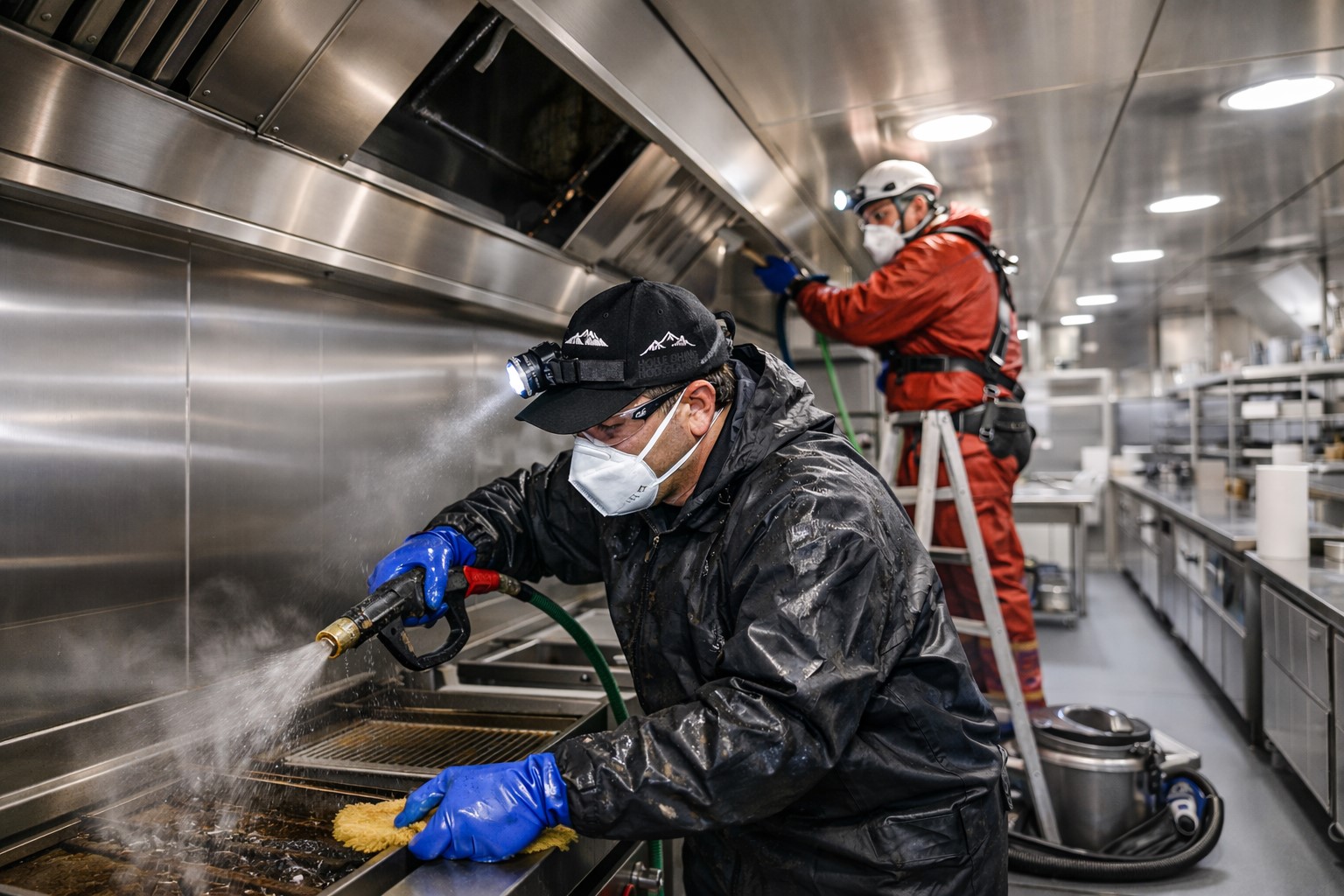


Running a commercial kitchen in Denver means dealing with grease, smoke, and heat every service. Those cooking vapors don’t just disappear when they hit the exhaust hood. They travel through the ductwork, coat the interior surfaces with flammable residue, and create a fire hazard that builds with every shift you run. That’s why restaurant kitchen exhaust cleaning in Denver may be more than necessary for functional and safe kitchen.
Restaurant air duct cleaning is the professional removal of grease deposits, carbon buildup, and combustible residue from the entire kitchen exhaust system, not just the visible hood surfaces. Failed health inspections, kitchen fires, and insurance claim denials all trace back to neglected exhaust systems more often than most restaurant owners realize.
This guide covers what professional restaurant duct cleaning involves, when it’s required under fire code, and why working with a certified provider like Red Rocks Air Duct protects your business from preventable problems.
Restaurant air duct cleaning addresses the entire exhaust system, from the hood filters down to the rooftop exhaust fan. A proper cleaning removes grease from every interior surface where it accumulates during normal cooking operations.
The process typically includes:
Internal duct degreasing using food-safe, industrial-strength cleaners that break down baked-on grease
Exhaust fan cleaning, including the fan blades, housing, and grease collection trays
Hood and filter cleaning, both the visible surfaces and the interior plenum behind the filters
High-pressure washing to remove residue from hard-to-reach duct sections
Post-cleaning inspection and documentation for fire marshal and insurance records
This full-system approach is what NFPA 96 requires, and it’s what fire inspectors look for when they walk into your kitchen. Surface cleaning doesn’t meet the standard.
Residential HVAC cleaning deals with dust, pollen, and light debris. Restaurant duct cleaning handles grease that’s been vaporized, transported through ductwork, and then solidified into thick, flammable layers on every interior surface.
The temperatures in a commercial kitchen exhaust system are higher, the grease load is exponentially heavier, and the fire risk is real. Standard residential cleaning equipment and techniques can’t remove the kind of buildup that forms in a restaurant duct system.
Professional restaurant duct cleaning uses specialized degreasers, high-pressure washers rated for grease removal, and technicians trained to work in confined spaces while handling caustic cleaning agents safely.
Many restaurant owners assume that cleaning the hood and filters takes care of the fire risk. It doesn’t. The hood is the collection point, but grease travels through the entire system.
A complete restaurant kitchen exhaust cleaning includes:
Hood canopy and interior plenum cleaning to remove grease that’s bypassed the filters
Ductwork cleaning from the hood connection all the way to the rooftop termination
Exhaust fan cleaning, including the fan blades, motor housing, and any grease cups or drain lines
Access panel inspection to verify that every section of ductwork was reached during cleaning
Hood cleaning alone leaves the majority of the grease in the system untouched, which means the fire hazard remains even if the hood looks clean.
Cleaning frequency depends on your cooking volume, menu type, and operating hours. NFPA 96 sets the minimums based on grease output:
| Restaurant Type | Recommended Frequency | Risk Level |
| High-volume kitchens (24-hour operations, charbroiling, wok cooking) | Every 3 months | Very High |
| Moderate-volume restaurants | Every 6 months | High |
| Low-volume kitchens (churches, seasonal operations) | Annually | Medium |
| Solid fuel cooking (wood, charcoal) | Monthly | Very High |
These are baseline requirements. Kitchens that fry heavily, run extended hours, or use high-heat cooking methods may need more frequent cleaning to stay compliant and safe.
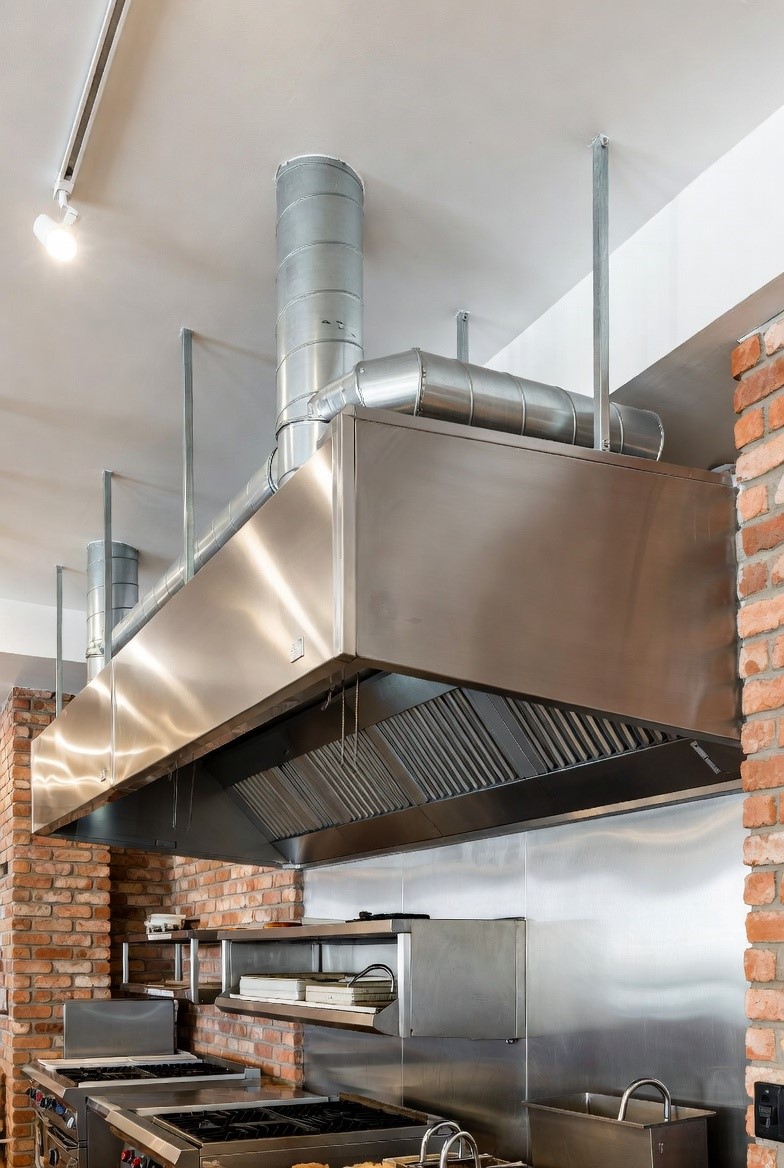
High-Altitude Grease Vaporization in LoDo and RiNo Kitchens
Denver sits at 5,280 feet above sea level, and the lower atmospheric pressure affects how cooking equipment burns fuel and how grease vaporizes. Burners and fryers often run hotter at altitude to compensate for the thinner air, which increases the rate at which grease vaporizes and enters the exhaust system. Restaurants in high-density areas like LoDo and RiNo, where kitchens run long hours to serve the dinner and late-night crowds, accumulate grease faster than the standard quarterly cleaning schedule accounts for. A professional assessment can determine whether your specific cooking operation needs more frequent cleaning than the NFPA 96 minimums based on actual grease buildup rates.
Older Building Ductwork in Capitol Hill and the Highlands
Many Denver restaurants operate in converted buildings that weren’t originally designed for commercial cooking. In neighborhoods like Capitol Hill, the Highlands, and Cherry Creek, restaurant spaces often occupy storefronts or historic buildings with exhaust ductwork that was retrofitted decades ago. These systems may have tighter bends, longer horizontal runs, or access panels that don’t meet current code requirements. Grease accumulates faster in horizontal duct sections, and older systems are harder to clean thoroughly without proper access points. Red Rocks Air Duct technicians are familiar with the older duct configurations common in Denver’s established restaurant corridors and carry the equipment needed to clean them properly.
Delaying or skipping exhaust cleaning creates compounding problems that get more expensive and more dangerous the longer they go unaddressed.
Immediate risks include:
Increased fire hazard. Grease ignites at around 600°F. A grease fire that starts on the cook line can spread through grease-coated ductwork to the roof in minutes.
Failed fire inspections. Denver fire inspectors check exhaust systems. If they find excessive grease buildup, they can issue citations, require immediate cleaning, or in extreme cases, shut down the kitchen until it’s remediated.
Voided insurance coverage. Many commercial kitchen insurance policies require proof of regular exhaust cleaning. If a fire occurs and you can’t produce cleaning records, the claim may be denied.
Reduced ventilation efficiency. Grease buildup narrows the duct interior, which restricts airflow and forces the exhaust fan to work harder. This increases energy costs and shortens the fan’s lifespan.
Regular cleaning is cheaper than any of these outcomes.
Red Rocks Air Duct specializes in commercial kitchen ventilation systems across the Denver metro area. The team works with restaurants, hotels, institutional kitchens, and food service operations in LoDo, Cherry Creek, Capitol Hill, the Highlands, Five Points, and surrounding neighborhoods.
Services include:
NFPA 96-compliant restaurant duct cleaning with full system access and documentation
Industrial-grade degreasing equipment designed for heavy grease removal in commercial kitchens
Inspection-ready documentation that includes before-and-after photos, cleaning certificates, and inaccessible area reports
Flexible scheduling to minimize disruption to your business, including overnight and early morning service windows
Every cleaning is performed by trained technicians who understand the fire code requirements and know how to work safely in commercial kitchen environments.
A few patterns show up repeatedly when restaurants run into compliance or fire safety problems:
Treating hood cleaning as the whole job. Cleaning the hood and filters is necessary, but it’s not sufficient. Fire inspectors check the ductwork and exhaust fan, not just the visible surfaces.
Hiring the cheapest provider without verifying credentials. NFPA 96 requires cleaning by trained, qualified, and certified personnel. If the company you hire can’t produce documentation of their certification, you’re not getting compliant service.
Skipping inspections between cleanings. Even if you’re on a regular cleaning schedule, grease buildup should be monitored between services. If you’re accumulating grease faster than expected, your cleaning frequency needs to be adjusted.
Professional restaurant kitchen exhaust cleaning eliminates these risks by providing full-system service, proper documentation, and trained technicians who know the code requirements.
Denver enforces NFPA 96 standards for commercial kitchen exhaust systems. The code requires that exhaust systems be inspected regularly for grease buildup and cleaned by qualified professionals before surfaces become heavily contaminated.
Key NFPA 96 requirements include:
Regular inspection by trained personnel based on cooking volume and type
Professional cleaning when grease deposits are found during inspection
Documentation that includes the cleaning company name, technician name, date of service, and any areas that were inaccessible or not cleaned
Access panels in ductwork to allow for complete cleaning of all interior surfaces
Fire inspectors in Denver check for compliance during routine inspections, and violations can result in citations, required immediate remediation, or temporary closure orders.
Restaurant air duct cleaning is a non-negotiable part of running a safe, compliant commercial kitchen. The grease that accumulates in exhaust systems during normal cooking operations creates a fire hazard, reduces ventilation efficiency, and puts your business at risk of failed inspections or insurance claim denials.
Professional cleaning removes grease from the entire exhaust system, not just the hood, and provides the documentation you need to demonstrate compliance with Denver fire code and NFPA 96 standards.
Next steps:
Keep cleaning documentation on-site for fire inspector visits
Review your last exhaust cleaning date and compare it to NFPA 96 frequency requirements for your kitchen type
Schedule an inspection with Red Rocks Air Duct if you’re overdue or unsure of your compliance status
Is restaurant air duct cleaning required by law in Denver?
Yes. Denver enforces NFPA 96 standards, which require regular professional cleaning of commercial kitchen exhaust systems. The cleaning frequency depends on your cooking volume and type, but all commercial kitchens that produce grease-laden vapors must have documented exhaust cleaning performed by qualified technicians.
How long does a professional restaurant duct cleaning take?
Most cleanings take 3 to 6 hours, depending on the size of the exhaust system, the number of hoods, and the level of grease buildup. Larger operations with multiple hood systems or heavily soiled ductwork may take longer.
Can exhaust cleaning be done after hours?
Yes. Red Rocks Air Duct schedules cleanings during off-hours, overnight, or early morning to avoid disrupting your business operations. Most restaurant cleanings are performed when the kitchen is closed.
Is hood cleaning alone sufficient for fire code compliance?
No. NFPA 96 requires cleaning of the entire exhaust system, including hoods, ductwork, and exhaust fans. Hood cleaning addresses only the collection point. The grease that travels through the ductwork and accumulates in the fan housing must also be removed to meet code requirements.
How does Red Rocks Air Duct provide compliance documentation?
After each cleaning, Red Rocks Air Duct provides a detailed service report that includes the cleaning date, technician name, areas cleaned, and any sections that were inaccessible. This documentation is suitable for fire inspector review and insurance records.
Where can I learn more about Denver’s fire code requirements for commercial kitchens?
The Denver Fire Department’s Fire Safety Inspections page provides information on how the city inspects commercial occupancies for fire code compliance. Understanding these requirements helps restaurant operators prepare for inspections and maintain compliant exhaust systems year-round. If you want to know more about commercial hood cleanings you can read more in our blog.